Microtunnelling is an advanced trenchless technology used to install underground pipelines with maximum precision and minimal surface disruption.
Microtunnelling: a key technology in modern underground works
Microtunnelling is one of the most advanced trenchless technologies for installing underground pipelines without disrupting the surface. This technique enables projects to be carried out with a high degree of precision, safety and efficiency, particularly in urban environments or areas with existing infrastructure.
In this article, we explain what microtunnelling is, how it works, and when it is the most suitable solution for underground works.
What is microtunnelling?
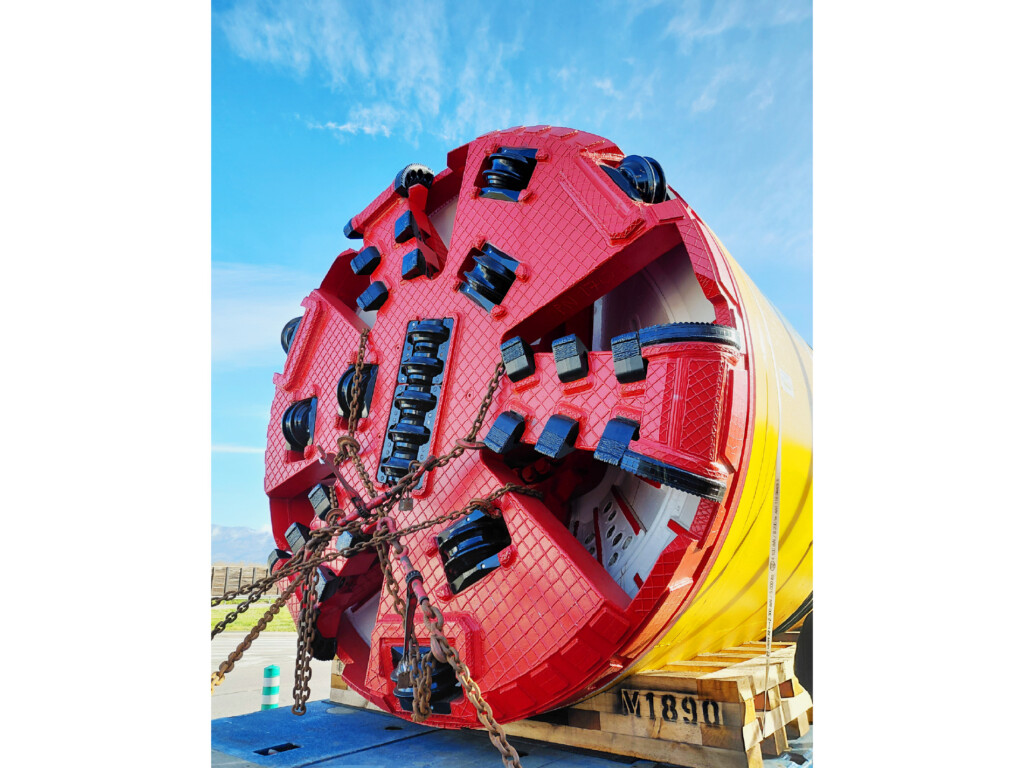
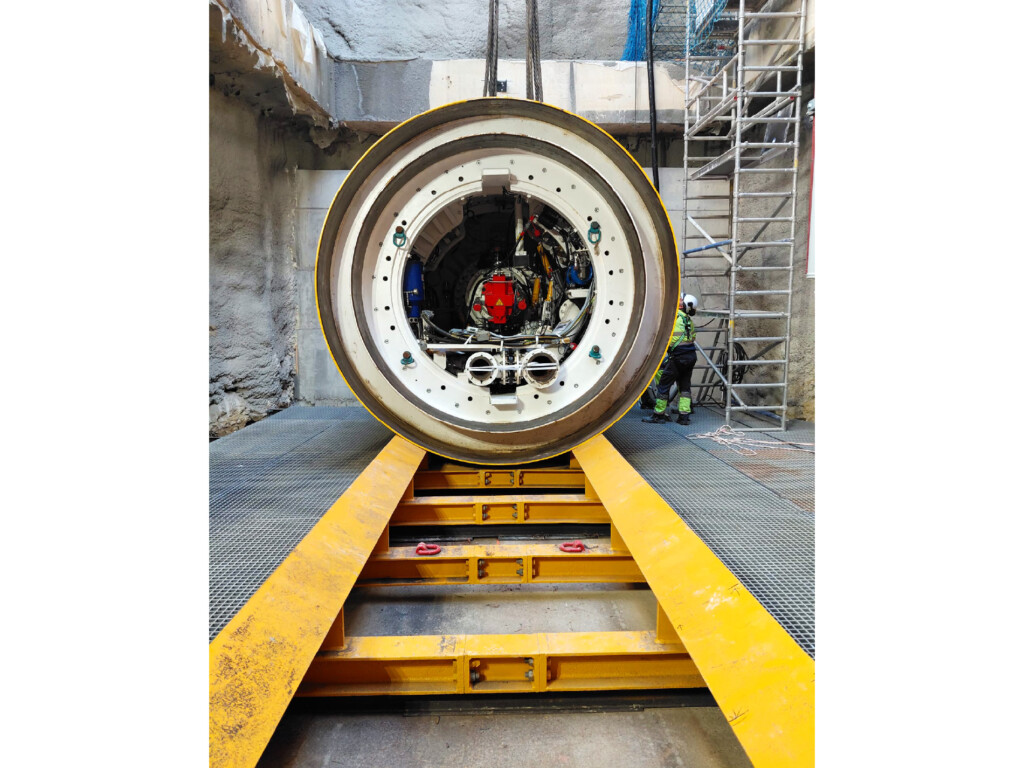
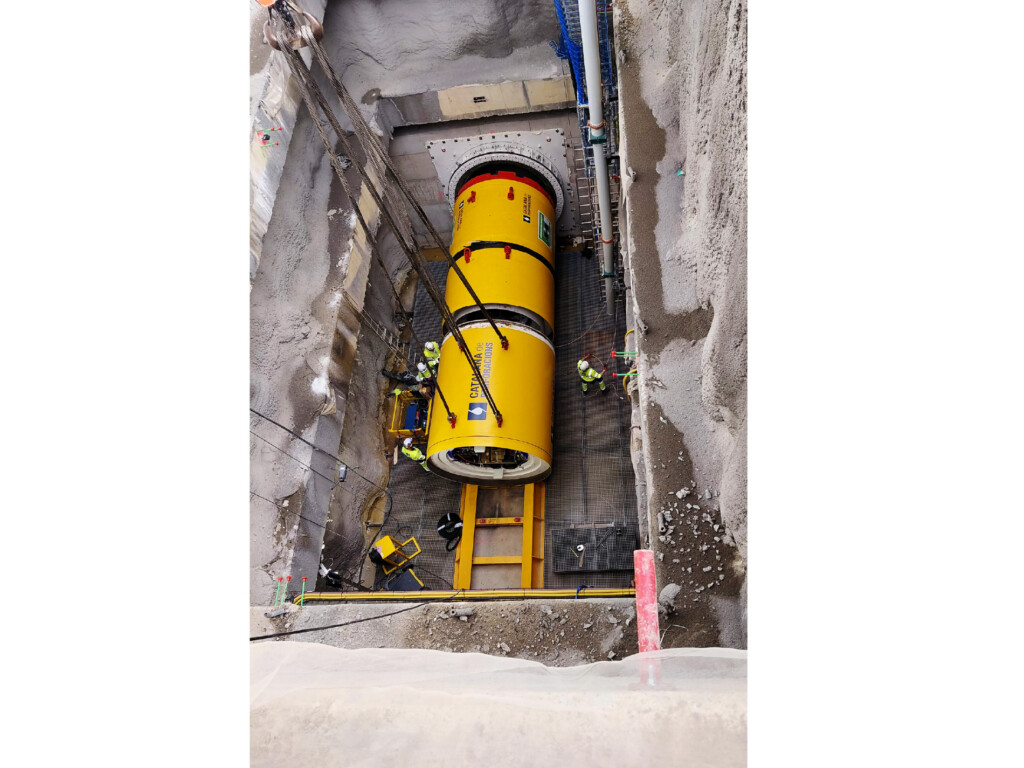
Microtunnelling is a trenchless underground drilling system that enables pipelines to be installed using a remotely controlled microtunnelling boring machine (MTBM). The process is carried out between a launch shaft and a reception shaft, with the pipes being jacked forward as the excavation progresses.
This technology is particularly well suited to urban environments or areas with existing infrastructure, where traditional construction methods would cause significant disruption.
How does microtunnelling work?
The process is based on several key stages:
🔧 Mechanised excavation using a microtunnelling boring machine (MTBM)
📡 Real-time guidance and alignment control
🚧 Pipe jacking system for pipeline installation
♻️ Removal of excavated material
This enables precise and safe execution, even in complex ground conditions.
When is this solution recommended?
Microtunnelling is the best option in situations such as:
🏙️ Urban areas with a high density of underground utilities
🚗 Crossings beneath roads, railway lines or rivers
💧 Installation of sewerage and potable water networks
🎯 Projects with demanding accuracy requirements
🌱 Environments with environmental constraints
Benefits of microtunnelling
This technology offers multiple benefits compared to traditional construction methods:
- Trenchless installation: minimal surface disruption
- High alignment accuracy
- Enhanced safety during execution
- Adaptability to different ground conditions
- Reduced project timescales and indirect costs
Proprietary technology for microtunnelling projects
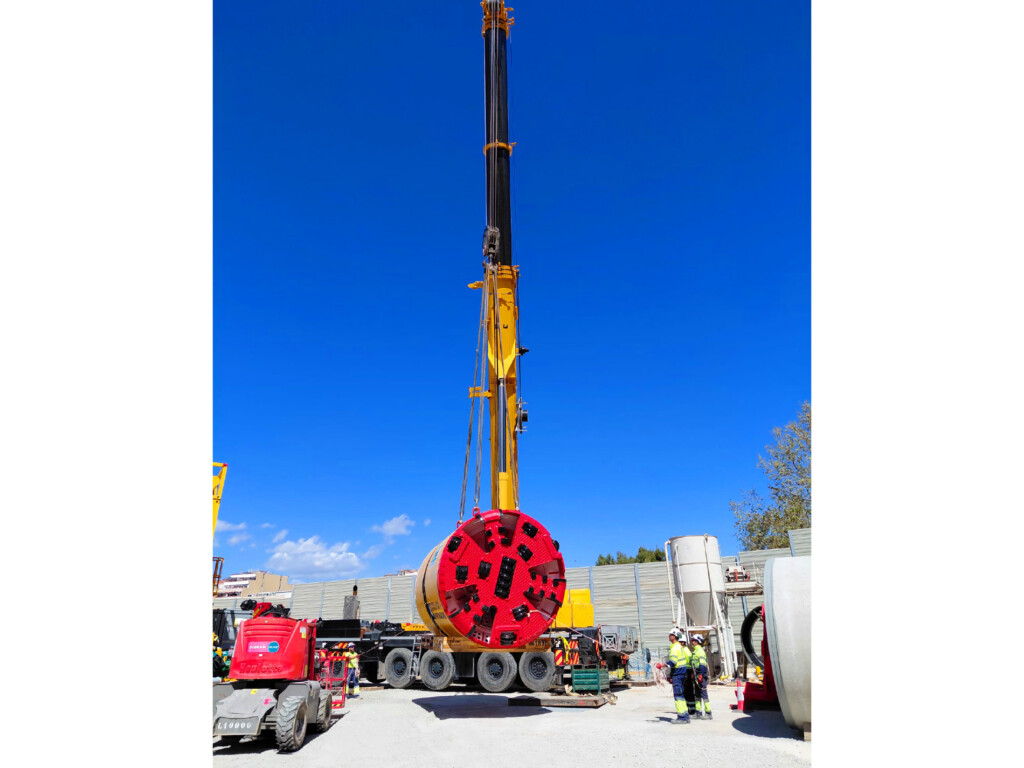
At Catalana de Perforacions, we have strengthened our technical capabilities with the addition of Meritxell, a state-of-the-art microtunnelling machine designed by Herrenknecht to deliver microtunnelling projects with the highest levels of precision and reliability.
This acquisition enables us to undertake highly complex projects in urban environments and challenging geological conditions, ensuring full control of the process and efficient project delivery.
Having our own technology not only improves project timescales and the quality of the work carried out, but also allows us to adapt flexibly to the specific requirements of each underground works project.
Microtunnelling within trenchless technologies
Microtunnelling is one of the trenchless technologies that make it possible to build underground infrastructure without open-cut excavation.
Compared with other techniques such as Horizontal Directional Drilling (HDD), microtunnelling stands out for:
- Greater alignment accuracy
- Better performance for medium and large diameters
- Greater control in water-bearing ground conditions
Catalana de Perforacions' Experience
With the incorporation of microtunnelling, we are strengthening our commitment to innovation and quality in underground works projects.
At Catalana de Perforacions, we are already delivering microtunnelling projects, applying this technology in real-world environments and under demanding technical conditions. This experience enables us to optimise processes, ensure the accuracy of our work and provide solutions tailored to each project.
Our technical team analyses each case to determine the most suitable technology, combining experience, proprietary equipment and ground knowledge to ensure efficient and safe results.
Microtunnelling as an efficient solution for underground works
Microtunnelling has become one of the most efficient trenchless solutions for the installation of underground pipelines, particularly in urban environments and projects with demanding technical requirements.
Thanks to its precision, safety and minimal surface disruption, it enables complex projects to be delivered efficiently and sustainably.
Frequently asked questions about microtunnelling
What is the difference between microtunnelling and Horizontal Directional Drilling (HDD)?
Microtunnelling offers greater alignment accuracy and control, particularly for medium and large diameters. It is better suited to complex ground conditions or water-bearing soils, whereas HDD is more commonly used for flexible alignments and smaller diameters.
Is microtunnelling a trenchless technology?
Yes, microtunnelling is one of the trenchless technologies, as it allows underground pipelines to be installed without the need to excavate open trenches at the surface.
When is it recommended to use microtunnelling?
It is particularly useful in urban environments, crossings beneath existing infrastructure, or projects that require high precision and minimal environmental impact.
What types of ground conditions is microtunnelling suitable for?
What are the advantages of microtunnelling compared with traditional construction methods?
It reduces surface disruption, improves safety, increases accuracy and enables projects to be carried out in areas where other techniques are not viable.